How can you speed up your pc? speed up computer free..win10/win7/ all win
Hello guys,
Whether it arises progressively over time or all of a sudden, it can be seriously frustrating to try to operate with a sluggish machine. Even if you're pretty careful with your laptop or PC maintenance, it's shocking how fast things slow down. This post is for you if you are asking yourself 'Why is my laptop so sluggish' and running Windows 10, 8, or 7!

Fortunately, you also don't have to turn in your device. Currently, you should take some steps in the performance department to give it a bit of a boost. Even the slowest machine will return to its old self, with some quick decluttering for a few more technical operations.

In this post, we reveal 14 things you can do to use Windows 10, 8, or 7 to speed up a sluggish laptop or PC. In particular, for this post, we will concentrate on device performance problems rather than those specific to the network you are using. We're running Windows 10, so for the directions and screenshots, we'll be using this edition.
:-So today I will tell you about how to speed up your PC by these methods!
Let's start!
1.Device Tray Programs Close.
If your machine is off to a slow start, you may have too many programs starting up at the same time as Windows itself. Items often launch at start-up in the device tray and then remain running while you use your computer.
![How to Make Your Computer Faster [ Windows 10]](data:image/jpeg;base64,/9j/4AAQSkZJRgABAQAAAQABAAD/2wCEAAkGBxAPDw8NDw8PDw0NDQ0NDw0NDQ8NDQ4NFREWFhURFRUYHSgsGBooGxUVITUiJSorLi4uGCEzRDMtNyktLisBCgoKDg0OGBAQGjImHyYuKy8rLS0xNy0tKysrKy0tLS0tKy0tKystLS0tKystLi0tLSstKy0tLSstLS0rLS0tLv/AABEIAKgBLAMBIgACEQEDEQH/xAAcAAACAgMBAQAAAAAAAAAAAAAAAQIGBAUHAwj/xABIEAACAgEBBAQJCAcGBgMAAAABAgADEQQFEhMhBiIxURQyQVJhcZKh0hcjU1WBkZOxBxUWQnOywTVigrPR0zNDdKLh8CRjcv/EABoBAQEAAwEBAAAAAAAAAAAAAAABAgMFBAb/xAAqEQEAAgEDAgUEAgMAAAAAAAAAAQIDERRRBBMSITFhoQUVMkEigTNCcf/aAAwDAQACEQMRAD8AquYQxFO0+RTEIoQhwihAnmIxCBhDzCKGYUxHIwzKJRiRjEImDAxCEMTzDMUcoeYxIyUIeYSMeZUGYRRwpiBiEcIiYAwMQhUswEWYQJRxQhBFHFARgYRQoMUcUK8YjAQmttMGMyElKghHFAYMciJKEEUIGARyMeYVKAkRHKicIhHmGJwihAccUMyoccUcIIZgYpQ44oCANIxmKFOOREcBiORhCJRZizCFORMcRgGYoZizC6PEQzEDCa23Q5KQkgYSUooswlQ5ZthdC9RraF1NVlIRmdQLGYNlWweweiVidk/Rj/Zlf8bUf5hmjPkmldYezo8Nct/DbhUvk01n0um9t/hi+TPW/S6b23+GdZhPJucjqfbsHHy5N8met+l03tv8MfyZ636XTe2/wy89LekbbP8AAyKeMmo1RquwSHqoWp7LLVH7xVUY49Ew9ndPNK1aPqLEqe27UpWqFrA1Veo4K2Z9JwftPkEbnIfb8PHyqQ/RnrPpdN7b/DH8mms+l03tv8MvVPTHQu61LazWOK2CCmze695pHLHaHBBHk7TJjbpNmsPzVWk2c4r1FtpbeLCoWOVx4oAYdvbz7O2NzkPt2Dj5UMfo01n0um9t/hh8mus+l03tv8Mu93TLRJ4zXBuuTX4NdxFVaeMWZcZA4fPPoI7Yz0y0ObAbiopF2/Y1biv5utLXAbGCQlity743ORPt2Dj5Uf5NdZ9Lpvbf4YfJrrPpdN7b/DL7oulWkvZa6bGtsc2AV11s7AIFLMcdg66c/TNbpunNLGt7F4FVh1ybtosa97Kb0pUVhVwd4uOWc5IAB54brIfbsHHyqvya6z6XTe2/wxfJtrPpdN7b/DLy/THRBghewNnDDgW/NHjigizl1OuwHPvz2c5vo3WQ+3YOPlyn5NtZ9Lpvbf4Y/k21n0mm9t/hnVYRush9twcfLlXyb6z6TT+2/wAMPk31n0mm9t/hnVYHsPqMu6yJP03Bx8vnixN1ip/dYqcd4OIomfLWE/S2/wA5gJ0qzrGrgXr4bTBmRMeYjKwEeZGEKlmEjGIDhCEqEYRGEKUIRZkV4gxiRjE1tpwihKiUICKEOdl/Rh/Zlf8AG1H+YZxmdl/Rh/ZlX8bUf5hnm6r8HR+nf5f6WyEITnu4xtXs6q5qbLE3n01jW1HeYBXatqycA9bquwwcjnNfoOimi0+54PU1PCFirwdRfX1Xt4jI2G6y73PByBkgciRMva2vagVkKu67lWtsLLVUApILkA4yRjJ5TDv6U6VX4Ks1tq3JQ9dNdlhRi26TyXmAeRx5eUCVHRbRV3LqEoxcl92pV+JacXWjDtjewQe7sHkAnvqNg6ayy216yTqFVL0Ftq03qoKjiVg7rHBxkjOAO4Yx9P0lpZFsbiVq4GKzRebixu4S4ULzBbAnuNv6b5vrti3h7p4F2FLsVUOd3qElSMNg8oGP+yei8tTMSLAXfUah3IengsCxbJ+b5Dny8mDF+yGgwVOnypNrFWtuYE2UpS/It5iIPRjPbzm02fra9RUt9RY1WAMjMj17ykZDAMBy59syIGuGxKN6qz502U74S06rUG0K27vIXLZZTur1TkchymK/RLQscmgnDahl+euxW11i2uyDe6h31VgRjdI5Ym7hA0h6J6E5zSSWGGJvv3m+fF2WO9zPEAOTz8nZym8ihAIQhAIN2H1GED2H1GEn0fOY8az+Nb/OZKRHjWfxrf5zHOzT8YfKZvzt/wBSiMUJm1CKBihUoSOY4EswzIwgOGYSMBkyMcUK8cx5kYTU26JAwEUYmSHCLMMwHOyfoxYDZlWSB89qO04/5hnGszqXQ7+ytP8A9Rqv5zNGaviiI93s6K3gvNvZfeKvnL7QhxV85faEqkJr2nu6W79lj12nqvQ1u5CEMrCu4176MCCpweYwZjDZOnGQrMqm0XBFvKolobe3lGerzyftPfK7q9SUautFD2WlsBnKIFUZYkgH0eTyzx0+1KyG4mK7K23bE6zhTxOGMEDmCcY9fkmO1jX1Xc24WmvZOmUqQeaMGXNxIXFvFAHPs3ueJh6jYaGyo1utdSWVWWfP2FrClj2Bdzs8Zu0nlz5dmNHodppdY9Sht6tEctuWcIhiRhXKjJ5fn3HGdLHSxPpJPVTE+cLHodPVQrLWww9jWsWcMWsbtYn7JkcVfOX2hKpCXae7HdzwtnFXzl9oQ4q+cvtCVOEm09zdzwtnFXzl9oQ4q+cvtCVOEu09zdzwtnFXzl9oQ4q+cvtCVOEm09zdzwtnFXzl9oQ4inkGBODyBHdKnMrZn/GT/F/KZLdLpEzqsdVMzpo4t+9Z/Gt/nMlPLe61n8a3+cyQM9lJ/jDhZqz45n3SzHIwmxq0MyJjiMgIRRwozGDFDMJoZhFmEAhCLMK8YjCBmttGZLMjCUOGYoQiQnU+hgJ2Vp/+o1X85nKwZt9n9JtbpqxTp9S1VSliEVKiASck81PlmFony0b8F60mfE6juHuP3Q3D3H7jOZHpltX6wt/C0/wRftltb6wt/C0/wSeLJw9PcxcukanR8TdJ31aslkdOqykjB9YwewzCXYKYGWuOGDE72GfFvFG+cdbr8/txKJ+2W1vrC38LT/BD9strfWFv4Wn+CT+fDKM2OP8AaXRNJs1amLIHGUCEHmCAxYH19Y/fMvcPcfunMP2y2t9YW/haf4Ij0z2t9YW/haf4Jdbx+k7uKfWXUNw9x+6G4e4/dOR6jp1tgNgbRtxgf8nS938OWLopt7amqQs+0rARc1Y3qqAD82rAdWvvMwrmta3h0bb0pWnjmfJetw9x+6G4e4/cZUtvbX2np6S419wYKxJNFYAcV2NjLJz5oP8A0ymft5tj6xt/B0v+3GTLenrC48dLxrEuwbh7j90Nw9x+6cf/AG82x9Y2/g6X/bnR+j+u1Nmi0mqt2ltCyzU+DcQLs/NVbMQHVGSjDYOR2ma56qY/TbHSxP7bncPcfuMNw9x+4znnTXpNtHRazwfTbW1Ntfg9Vpa7S6et1d3sG7hqhy3VU59M0X7ebY+sbfwdL/txHVTPpBPTRH7dg3D3H7jMnZqnjJyP73k/umch2V012vZclbbRtKtvZHB03kQn6P0S9XUbZSlLm2g+LELKnD05PZndPU7cc5py9dprWavb030uckReLRHnp58uP6hjxLuZ/wCPd5f/ALDMzRN1R62/pPHatW5fav8AeBJwBklQSfvJnrofFHrb+kz6a2sxLwfUcXbi1Z9YlnCEQjnQhwREY4jKFCEUinmPMjCBLMIhDMocjHFA8ooQmDYIGEDICPMUJQRiKMQHFFHAI4oQhyLSQkWhYa/V+N9i/lN30c29VpqbKbFuy9vED07uQCqgghiPN980mr8b7B+U8Zzr/lrHLuUrE44ieFw2v0rotosprqdTYjqWempCSykZJDnvznt8nllPhCW15t6sqY60jSBmWzoj01t0VXgdgazRi4XoECm6mzf3iEyRlWOTgnkSTKnCar0i1ZiWytvDOsN50p2nptU6W0JctgUpablQBwD1T1WPMA49QE0kUcmPHGOsVgvabTrLJ2bqBVclrAlV3shcZ5qR5fXLMemIKCsnUGsKUCHcwFJzgdbsziVCEwyYK3nWXs6b6hlwV8NNNPXzjVk7S1AttexQQrbuA2N7koHPHqntofFHrb+kwJnaLxR62/pPX08eG0RDl9feclbWn1mWcI5EGPM6DgnAxRQAwhFCiPMjCBKGYswgPMUIQPHMIjCYNmiURgIjIJAxRCOUGYCKOUGY4o4BCEIQ4jARGCGBq/G+xfynjPbVeN9i/lMzYey/CHO825VXguRjebPYq58vpPIds58xrbSHewxrWIhr1QkEgEhRliOwDOOcjLPt/U6WqnwXTBTYxHEZCGRFHk3/AN9u8/lKxJaIidG28RE6QIGE6Z0W2PRXUG3wC9au1rLvlgQCVXHr5DyzKlPE8fVdTGCI8tZn0czhLL002ZXS6W1Luraz5XPlGCDjycj5OUrUlq+GdGzBmjLSLwJsv1DrOF4R4LdwMZ4m4d3E8tigeEV5wSN8qD2GwVsUHthZf+lD36mvRihiNNVQmQLApW4AbxfJ7fTMseKbrfJFXNJnaPxR62/pIbWUC+wDHau9u9nE3AXx/i3pPR+KPW39JlijS+jT1XniZsICKe5xhHFCDQRRxQCIwMUMjzHIyUIIQhA8TCa/w9u4e+A1zdw9883fo9u0ycNhCYHh7dy++Ia9vNX3x36G0ycNhHNd4e3cvvh4e3cvvl79DaZOGwMMzX+Ht3L74eHt5q++O/Q2mThsYTXeHt3L74/D281ffHfobPLw2EJr/D281ffDw9vNX3x36GzycNgIGYHh7dy++Lw9u5ff/rHfobTJwer8b7B+UgtrBSoJCsQSByziedtxY5IHkHKQ355JnzmYdTHE1rEPSEhvxb5mLJ6TIq19yAKl1yKOxUtdVHqAMxN+LfjXRLVi3rDIvvew5sd7D2ZsdnIHdkzznnvx78akViPKHoDg5BwRzBHIg982Z6Qanc3N8dmN/cXie13+majfi35YtMehNYn1ehOeZ5k8yTzJMztH4o9bf0mu357VawqMAA9vbmZ47RW2stPUY5vTSG4hNX+sm81ffH+sm81ffPV36ObssvDZQmr/AFoezCerP/mB2oR5F+8/6x36LssvDaGLM1o2kx/dXH2/6w/WLeavvjv0Nll4bAmGZhPqLQwQ1EO2N1Cjhmz2YB7ZE6uwZBrxueNlWG7zxz7o79F2eThn5jzMLj3YU8FsP4h4b4f/APPf9kgNa5BYIN0Yy2DgZ7MmO/Q2eXhscxTXfrBvNX3/AOsP1g3mr7479DZ5OGFCKE8LsCEcUgIRwgKEIQCOKEBwhCAQhCAQhCUEIQgElXWzHCqzHBOFUscAZJ5eQRTZ6PbL6epV0uaLyxa7UqwNlgDEpWvLqoORI/ePbyAEDVwmXtLU122cSuoU7yA2VofmuNk7zIP3VPLq+Tn5MAZ/RepDY1ruiNXwlqNhQBbLGxxQG5NuIrsAeW9uZ5QMC/Z11aC2ys1q2N0WsldjA9jCtiGK+kDHpi2bs63U2LTShd3IHci/3nbsVRgkk90se3nRtG7120876C9QvXj7z1ixWI3S1x3WAaxn5NkAADAwOjGvpTe091l1KXarRXcapvml4PF6ty9rVk2A8uzdzg9kitJfUUd628at3RscxvKSD7xPfZez31V1emq3OLcwReJYtSZPex/Lt9EtN2k0FlGovLqbmt1Lqd88wbchuzkcE4Gefbyxzq2y9WtN1dz016ha3DGi7e4b48hwfzyPQZjW/i1b83T9qKzM+qzV/o51zau3QhtLxKahcW8JTBQ+LhfGGfSBKnqKTW7VtjeRirbrrYuQeeGUkH7J1O/bmzK1fbS17Pt1OqRqW2fi7iqSME5PLeI8YlFBHLPfyy9wzMyotasxIrr3txAT4q7xJx6zMoaJ0XzSbSSvwB+JW1VOzLd6uzWaRtOdR4LcNw0eMHJIGT25A7YjZpUop8DuqF505spzqKKNRTVZqi1tHEs6tdoQhct2gHHbK1Z0ZvGlfWA1tXWmntZELm0V2jIbG7zA8vPlny8zMpOh9jO9XhWk4teqGiZCNXnwghiADwcYIRjnPvkPNqukG74Xqdy3jpx7MX5Q8Xrc3ygAOTnsGJhVHDKRgEMpy3igg+X0REc8dxxM3ZmzjqN9VtqR1Sx1rs4m9aErext0qpAwqHmxUZI5yotlu1dObVssv03htldwsupF9lNV713qj13uSUUBqsqOW82RjdOfPbG2NE+n11SW2HUXVaTiWcFGr1d9T0gFH3wcdRycqPGY8+QNdp2JY1Zt4lKkaRtbwWdhcaAxAwu7zJxnt7CMkZE9tT0ZvrtqosKpZbW1pL16hK661TeZi7IA2B27hbHZC6rJoOlFNT6CsO27XRomsuewtTRbVTYN2uvd6rbzjJyc8pg7T2ppPAdXp9OwB1dml1zoQeV7Wdahf7qAf9/omr0/Rp7ES1dTpuAx3GuJvCV3F6kFbfN5JLXIMqCvbz5GKvo1YUd+PpwtDWpqsm7/AOIa0Z238J1uSkdTe5kCFaSEyNo6J9PdZRZu79TbpKHeRhgEMp7iCCPQZjysRFHCQKEcIChHCAoRwgKEcIAIQhAIQhAIQhKCEcIChCEAhHCAoRwgKEcIJnUoRwgb+vpTYqUotSDgHT8yxYWJXU9TIwx2MrsDJ19LGW+zUcBfndoJtA18UgKVVxwgcdnX7fR2RQkNWk1diM5autqkPYjW8Yg+Xrbq/lM3Ze066arqnoZ/CN1Wtr1HAsFWDmvxGypJyQMZwIoSiVm2Sb9TcEAGoofTKhOOFUVVEx37qoo+yZ20elRupurFPDtvzv2i0uCXVFtYAjq5FSDAzgFufZghAk3SivOBozwdylPBzq24SiqxbE3AEG71lye3e3jz8sV3SlX8bTHD16iu9F1RSq7jj52wKE6lhbDbxLYxjsihJoay021Nc2ous1DAKbWB3V8VVACqo78KFH2TFhCUf//Z)
Click the upward arrow on the right side of your taskbar to access these objects.
If you don't need to keep any programs running, right-click them, and close them.
2.Avoid programs running at boot time.
Other programs that run on startup automatically will slow down your computer, similar to programs running in the tray. Some, like antivirus software, you might really want to run, but others might be redundant.

Right-click the taskbar, click Task Manager, or press Ctrl-Shift-Escape to start the taskbar. Head to the Startup tab and you will be able to see, along with its effect, each item that runs on startup.
Go through these and determine which ones don't immediately need to start. If you can disable any of the high impact ones, this method is particularly advantageous for efficiency. But bear in mind that some of these services are important for the operation of Windows. The ones with Microsoft listed as the publisher, for instance, are probably best left alone. Either leave it, if you're not sure or try a Google search to find out more.
Simply right-click and press Disable to disable it. Note, you're not disabling the software, you're just running it when it begins.
3.Update OS, drivers, and apps.
You've always heard that it's a good idea for protection to keep the applications up to date. This is true and success will help too. When an update is available, Windows will automatically give you a notification. All you need to do is ensure that you don't keep putting it off.

You can always search if you think that you may have missed an update. Go to Start, and then press Setup or the Settings icon. Then, go to Updates & Security > Updates for Windows.
Drivers and software should also be kept up to date, aside from your OS. Again, both protection and efficiency are good for this. A fast online search should tell you which version you should be using if you think you may have missed an update.
4.Remove files that are unnecessary.
Our machines get cluttered, much as our closets and drawers do. You know it's there, even though you can't really see it, and it may harm the output of your machine. This is particularly true if you deal on a day-to-day basis with a lot of large files, such as high-resolution photographs, audio files, and videos.
Free up space by making it a routine to remove files and directories every week and then clean the recycle bin. Doing this frequently ensures that you are more likely to know exactly what is in the files and directories and not be too worried about losing anything significant accidentally.
Handy tip: Normally, HDDs run at peak speed until they hit approximately 90% power. But if you're testing how much room is taken up and you're over 90%, that's probably what slows things down. As they fill up, SSDs slow down more steadily, so it's important to keep on top of things. It is recommended not to fill more than 75% of its potential with an SSD.
5.Locate services that consume resources.
If you notice that your computer is unexpectedly running noticeably slower, chances are there is a specific program to blame. One way to classify the culprit is to go to your assignment manager to find out what your resources are chewing up.

Right-click
and pick Task Manager in the Taskbar. To find out about the programs that are currently running on your computer, click More Info.
You may click each header to sort the list of applications that use most of that unique resource. Try closing the actual application first, if you need to close anything. Come back to the Task Manager screen, right-click the submission, and hit End Task if it doesn't close.
6.Modify your power choices.
To fits your needs, Windows comes with many preset 'control plans'. The default setting is Balanced, which takes efficiency and energy consumption into account. But if you're running off the battery or trying to keep energy bills down, the latter is just just a problem. As such, you will want your plan to adjust.

If your machine is still sluggish, the Power Saver Plan option isn't a good idea. This reduces your PC's productivity to conserve resources. The High-Performance Plan is, as its name suggests, a better alternative. It encourages efficiency even though it requires more resources, so it should help speed up your computer.
You may choose to build your own custom plan, aside from the regular options. Go to Control Panel > Sound and Hardware > Power Options > Build a Power Plan. Enter your name for the plan, and pick Next.
Likewise, you can begin with and change an established plan accordingly. To do this, go to Control Panel > Hardware and Sound > Power Options > Pick or configure a power plan, and next to an existing plan, pick Change plan settings.
Basic choices in both cases include how long the monitor will remain on while you are offline and how long before the machine goes into sleep mode. This will not really affect the speed of your machine, but if you go into Advanced Power Settings Shift, you can make more improvements that will have an effect.
7.Uninstall applications that you're not using.
We frequently install enormous programs without understanding how much space they consume. If you think that maybe the case, then any programs you don't use can be uninstalled quickly. Even if it's a software you use now and then, it could be worth simply reinstalling any time you need to use it, if it's especially heavy.
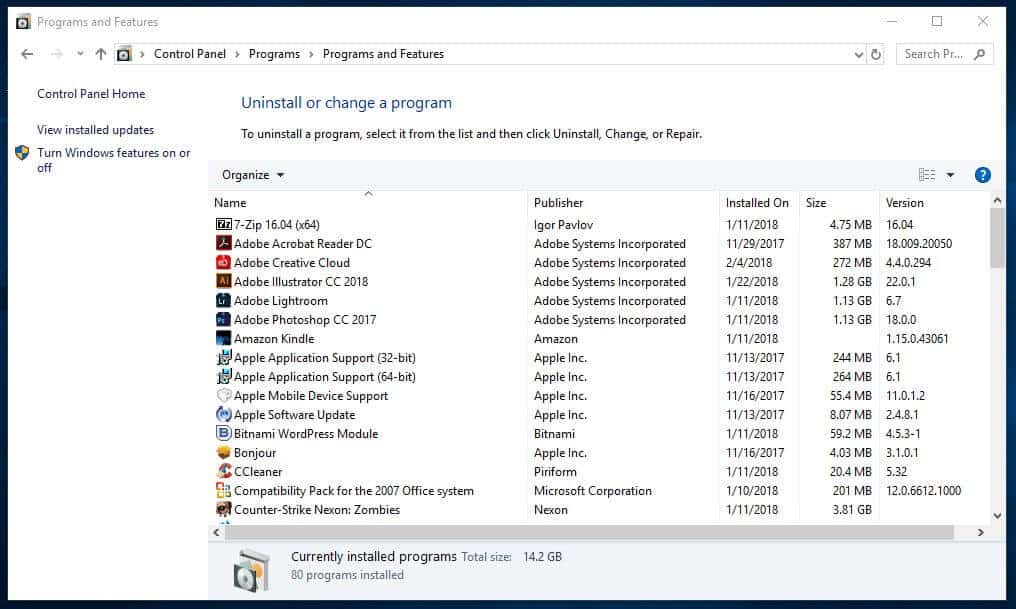
Head over to Control Panel > Programs > Programs and Features to uninstall a program.
Go through the services and evaluate which ones you don't need if any. You might actually use a search engine to find out more if you're confused about a specific program. Alternatively, to help you differentiate the good from the poor, you may also use a method like the appropriately called PC Decrapifier.
8.Activate or disable Windows functions.
You may want to search to see if there are any Windows components you don't need while you're on the Programs and Features list. Press Switch Windows Functionality on or off and a list of these components is shown.

You want to be careful not to turn off something that you really need. So again, it's a good idea to look for something you're unsure about.
9.Execute disc cleanup.
A built-in tool for picking up junk that accumulates over time comes with Screens. Go to Control Panel > System and Security > Administrative Tools to access the Disk Cleanup function, then pick Disk Cleanup from the list.

Here, you can pick the file types that you want to get rid of, and then click OK. Then press System Files Cleanup and pick any system files that you would like to wipe.
10.Defragment the hard disc.
Files on your hard drive become broken over time. It will run more slowly as your machine now has to search for the parts in different locations. The word 'defragment' sounds a little dramatic, but it simply means putting those files back together so that you can run your machine more effectively.

Actually, it's something Windows 10, 8, and 7 do on a fixed schedule automatically. The default schedule is once a week, but if you suspect there's a problem, you can go in and manually run it.
First, it's important to remember that you only need to do this if a conventional mechanical hard disc drive (HDD) is used on your computer. A Solid State Drive (SSD) functions differently from an HDD, and defragmentation is not required. If you've got both, just defrag your HDD.
Go to My Machine and right-click on the hard drive (WINDOWS (C:) by default, although you might have renamed it). Then go to Properties > Tools and press Optimize under the Optimize and Defrag Drive tab.
You'll then get a popup for the Optimize Drives screen.
Notice that all of the drives are SSD in the above screenshot. These need not be defragmented, either. As in the picture, for SSD drives, Analyze will be greyed out but will be available for hard drives.
To see how fractured it is, pick an HDD drive, and press Examine. It would be a safe rule of thumb to keep it below 5%. You can press Optimize to defrag the disc if this is the case above.
If you have an SSD, you will find that the Optimize option is actually available. The TRIM command that wipes data that is no longer considered in use will be performed by clicking it.
11.Modify or disable images and animations.
There are loads of graphics in more recent Windows versions, including animations such as fading effects and flyouts. This helps make the application look sleeker and more polished and lead to a better user experience overall. They can also slow your machine down, on the other side.
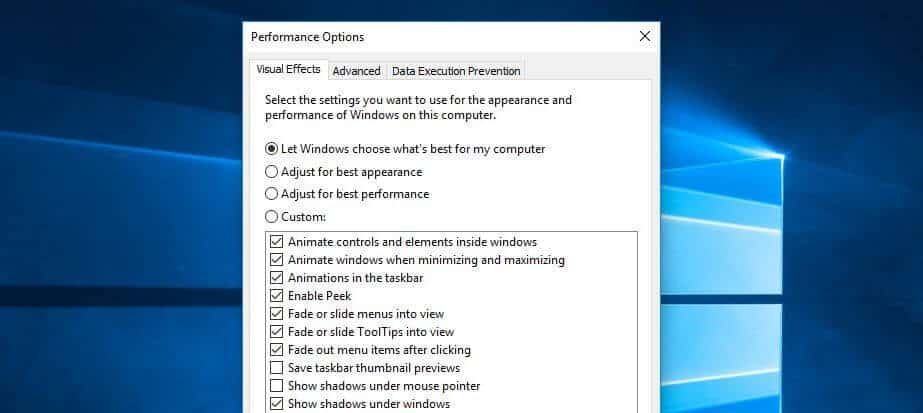
Thankfully, changing these settings is easy and hopefully saves a little computing power. Go to Device and Security > Device > Advanced System Settings > Control Panel. Then, click Settings in the Performance section and you'll have a complete list of choices.
You can choose Change for better results (this will erase all visual effects) or choose to separately uninstall any of them. It's a matter of choice, but there are some fade and shadow features without which you could possibly live.
12.Examine for malware.
Malware is a general term used to describe malicious programs that could damage your machine. Malware (malicious software) These can come from different sources, including links to emails, downloads of software, and even advertising. Some types of malware can cause your machine to run slow, in addition to potentially causing permanent damage to your device.
As well as other risks, getting good antivirus software installed will help protect against malware. There are some solid free options available, but we suggest Bitdefender, VIPRE, or McAfee if you're willing to pay a fee.
13.Your hardware update.
It could be time to invest in some new hardware tricks. Here are a few things that you may want to consider putting some cash into:
*Add an SSD: Although HDDs offer more room at a lower price, you can run your machine even faster by adding an SSD.
*Add more RAM: It can have too little memory to run modern applications efficiently if you have an older machine. What's more, you might not have enough Random Access Memory ( RAM) to get you through if you use a lot of programs simultaneously. It could give you the boost you need by installing a new RAM package.
14.Clean temporary files of pc that consume space.
Open run, and type prefetch, and hit ok. Select all the files and delete them. Then again open run then type %temp% and hit okay. Select all the files and delete them all.
NOTE:- THESE FILES ARE AUTO GENERATED AGAIN SO DONT FORGET TO CLEAN THEM UP AT LEAST ONCE IN A WEEK!
THANKS FOR READING!


Comments
Post a Comment
Please comment below your thoughts and let me know if you have any doubts.